

1. Efficiency at Home
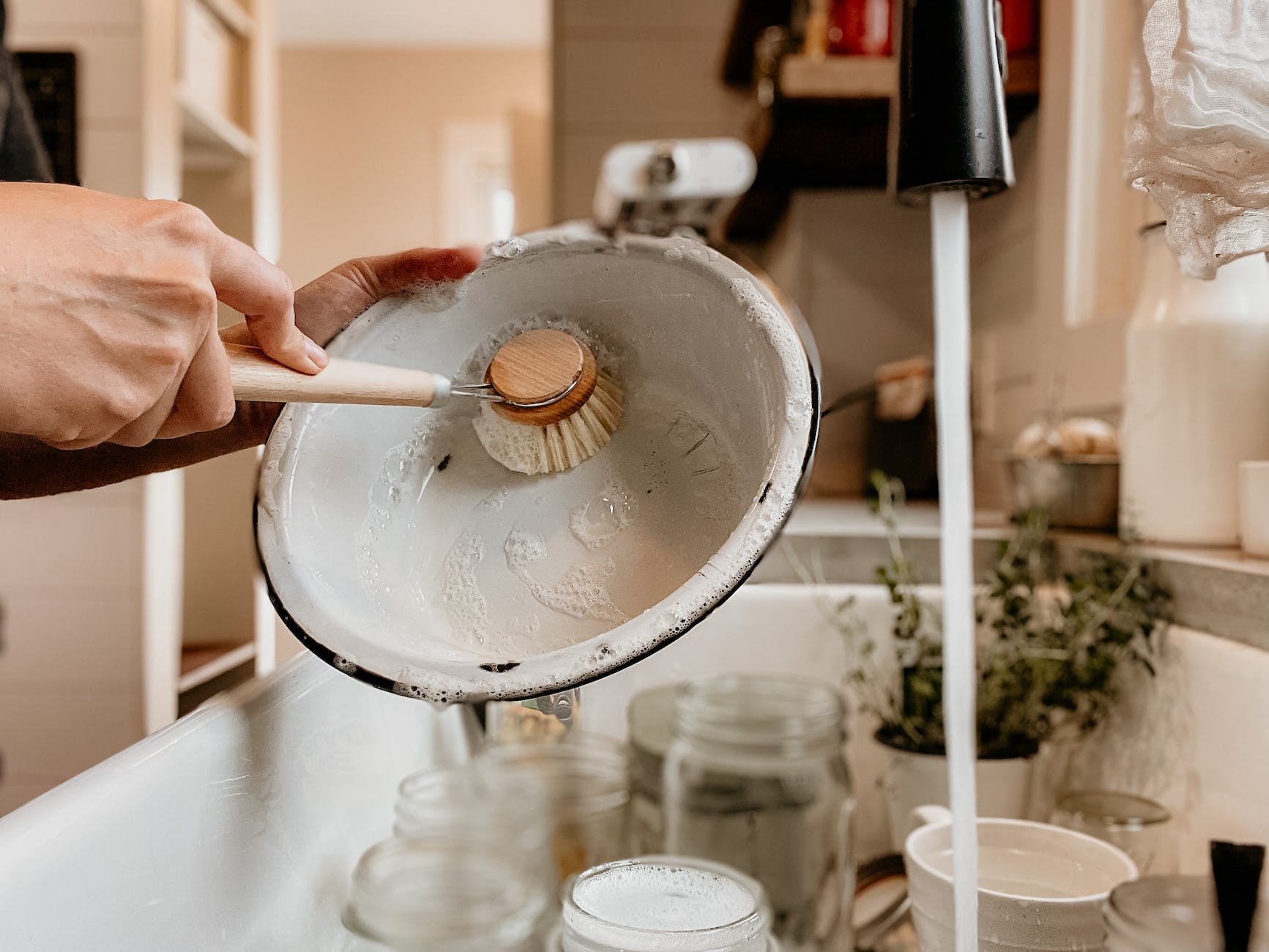
a. Discuss these two topics:
- The most time-efficient way to wash dishes
- The best method to save water when washing dishes.
b. Share your tips:
- How can other household tasks (such as laundry, tidying, cooking, taking out the trash) be made more efficient?
2. Efficiency at work
a. Think and speak:
- What would be your top tips regarding time-management, to a younger person who is
- at school or university and working towards important exams?
- starting out in the same career as you?
b. Read this list of tips or ‘hacks’ for working people:
https://www.calendar.com/blog/productivity-hacks/
- Which of these would you find most difficult to do? Which would you find easiest? And why?
- Do you disagree with any of the advice here? Why?
c. Here’s another list of productivity hacks. Read it and compare it with the previous one:
https://consultport.com/wp-content/uploads/2022/01/top10productivityhacks-1.png
3. Efficiency on a bigger scale
a. Consider this, then share your views with classmates:
- Which is likely to be more efficient, a large organisation or a small one?
- What are the factors that can contribute to efficiency or inefficiency in an organisation?
b. Read this text by a CEO and answer the questions:
https://www.cogendo.com/organisational-efficiency-vs-company-size/
- Does the writer suggest that larger or smaller organisations tend to be more efficient?
- What data does he give as evidence for his viewpoint?
- What are the causes of inefficiency that he lists?
c. Here’s a brainstorming task:
- The article you just read is part of the marketing pitch for a productivity tool to help businesses stay efficient as they expand. What tools, products or services do you think would be most effective in helping fast-growing companies to maximise productivity?
Main Photo: Pixabay, via Pexels.
 Englishin3d